 QA Report
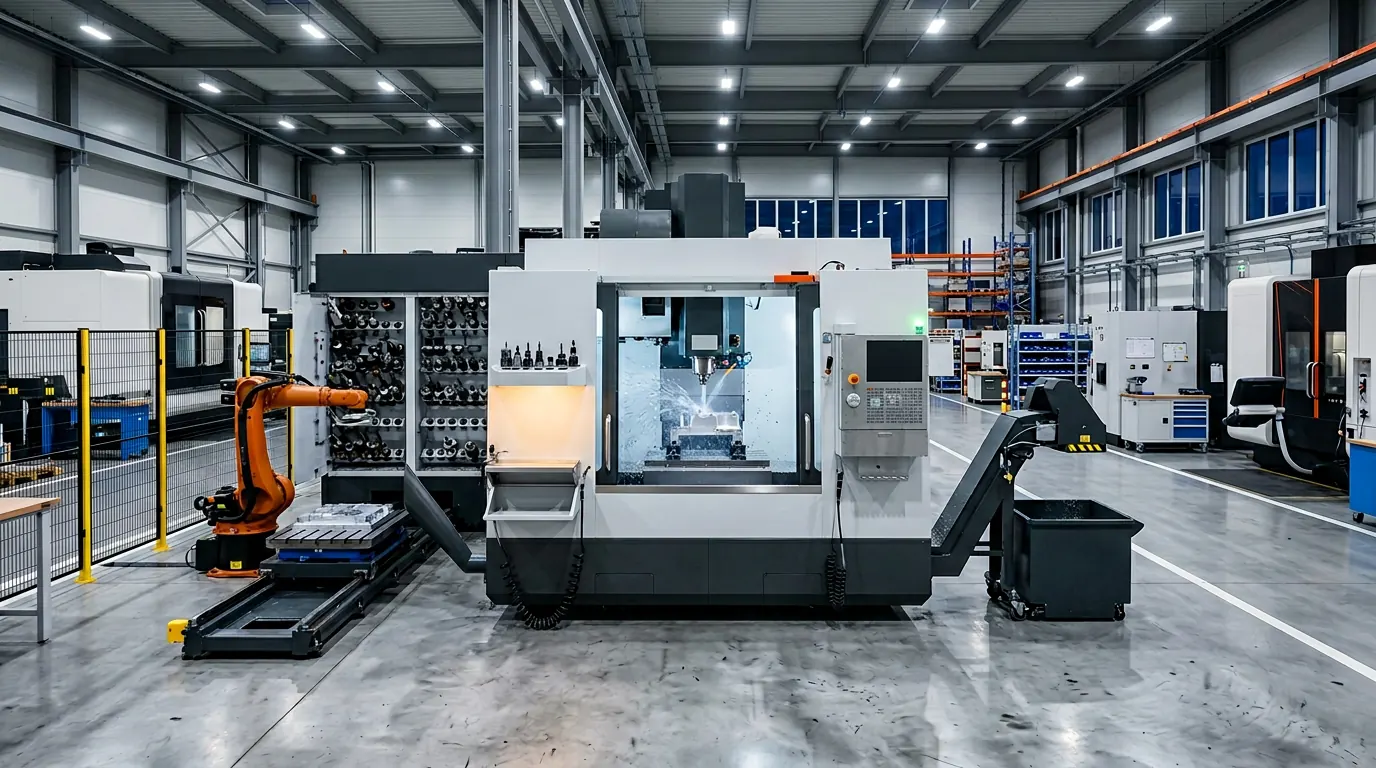

You're running an 85% OEE. Machines are humming. Downtime is minimal. But when you look at your product margins, something doesn't add up. That high-runner part you thought was profitable? It might be subsidizing your entire product line—because your costing system is still allocating overhead based on direct labor hours, not the machine time that actually drives your costs.
Most ERP systems allocate manufacturing overhead using direct labor hours as the cost driver. This made sense in the 1980s when labor represented 30-40% of manufacturing costs and machines were relatively inexpensive. Today, that ratio has flipped. A single 5-axis machining center can cost $500K, while direct labor might be under 10% of total cost. Yet the costing logic remains unchanged.
Consider a CNC-machined component that runs lights-out for six hours on a high-value machine versus a simple bracket that requires fifteen minutes of hand deburring. Under labor-hour allocation, the bracket—with more touch time—absorbs more overhead. The automated part, which tied up a quarter-million-dollar asset for an entire shift, gets charged almost nothing. Your pricing reflects labor intensity, not capital intensity. You're making decisions on profitability data that's fundamentally disconnected from your actual cost structure.
Machine time reveals what's actually expensive to manufacture. When you allocate overhead based on machine hours—or better yet, machine-hour equivalents that account for asset value—cost pictures change dramatically. That automated part suddenly shows its true burden: depreciation, maintenance, tooling, energy, and opportunity cost of tying up high-value capacity.
This isn't theoretical. Manufacturers who've shifted to machine-time-based costing often discover their assumed "cash cows" are marginal at best, while products they considered low-margin workhorses are actually highly profitable. The problem compounds when you're quoting new work: you underprice complex machined parts because your system says they're cheap to make, then wonder why margins erode as you win more business. You're optimizing OEE in your production meetings while simultaneously making pricing decisions based on cost data that ignores the machines you're optimizing.
The solution isn't abandoning OEE—it's connecting operational metrics to financial reality. You need visibility into which products consume which resources, and costing methods that reflect actual capacity constraints and asset utilization. This means tracking machine time at the operation level, understanding your true machine-hour rates including all related overhead, and ensuring your quoting and margin analysis reflect these realities.
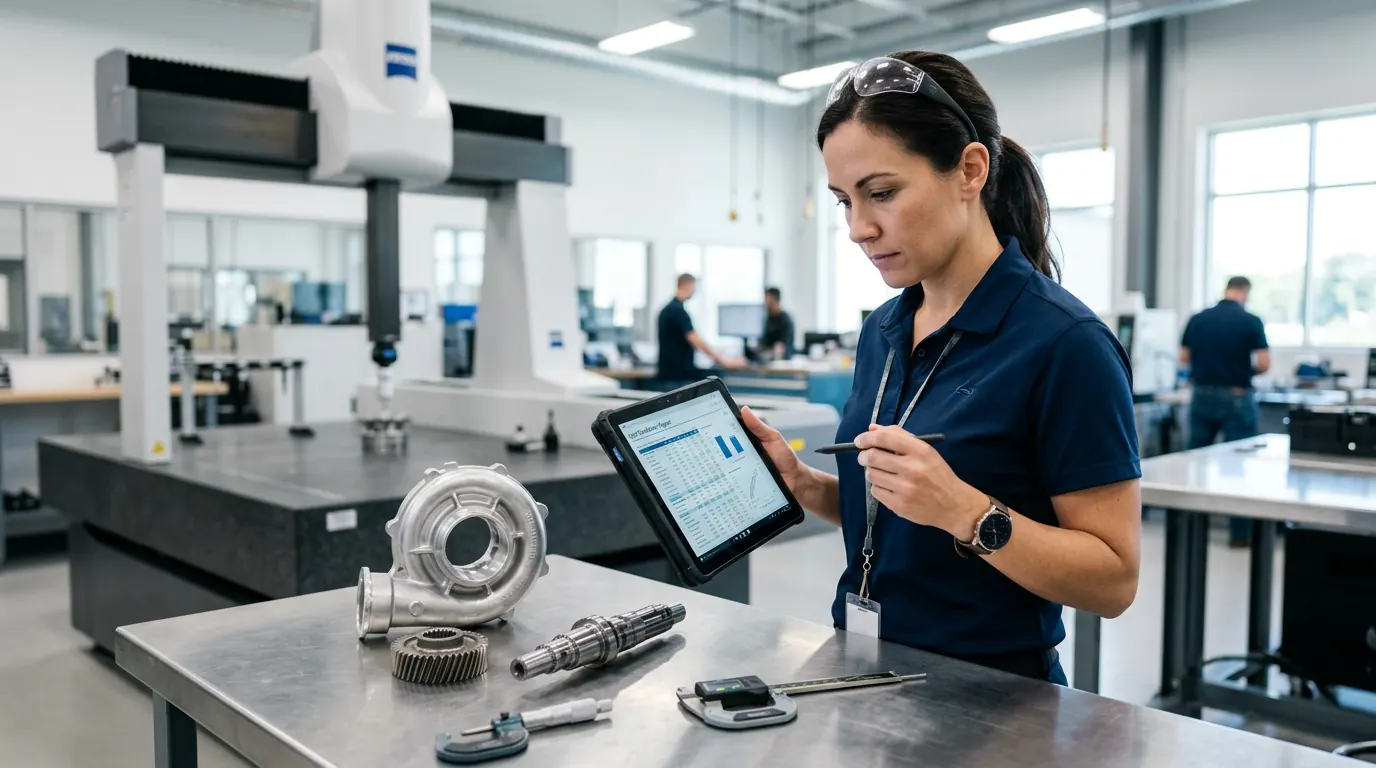
Many manufacturers maintain parallel systems: shop floor data collection for OEE and production tracking, and ERP for costing and financials. The gap between these systems is where profitability gets lost. Quality and production data—including actual machine time per part—should inform cost accounting, not live in a separate silo. When you can trace a part from CMM inspection back through actual machine time and compare that to how overhead was allocated, you start making decisions based on reality rather than legacy assumptions.
Knowing you're efficient and knowing you're profitable are two different things. High OEE means you're using your capacity well—but if your costing system doesn't reflect what that capacity actually costs to operate, you're flying blind on margins. At qa-report.com, we help manufacturers connect quality data, production reality, and cost drivers so you can see not just what's running efficiently, but what's actually making money. Because in modern manufacturing, the most expensive inefficiency isn't downtime—it's mispricing your best work.
See how qa-report.com can help your team work smarter.
Learn More