
From Concept to Creation: How 3D Printing Changes the Game
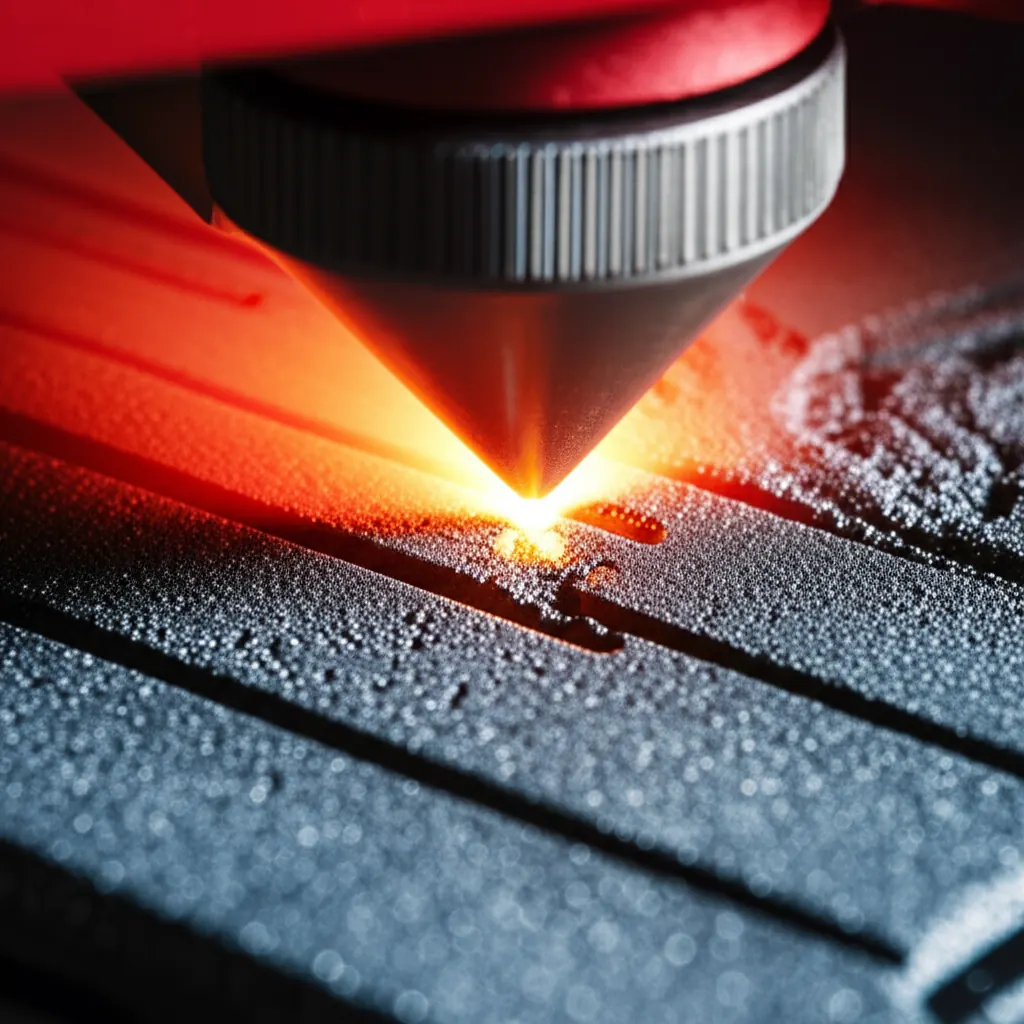
Hey everyone! Ever wondered how we make those super complex metal parts you see in planes, cars, or even intricate jewelry? Well, for a long time, it was all about subtractive manufacturing – carving away material from a larger block. Think chiseling a statue out of stone. But things are changing, and a major player is 3D printing, also known as additive manufacturing. Instead of removing material, we're building it up layer by layer from a digital design. It's like making a sandcastle, but with lasers and metal powder! This shift is HUGE. It lets us create shapes and structures that were previously impossible to manufacture with traditional methods. We're talking lightweight designs, complex internal geometries, and customized parts tailored to specific needs. It opens up a whole new world of possibilities for designers and engineers. Plus, there's less material waste, which is a win for the environment and our wallets. No more mountains of scrap metal piling up after each project!
The Technologies: Different Flavors of Metal 3D Printing
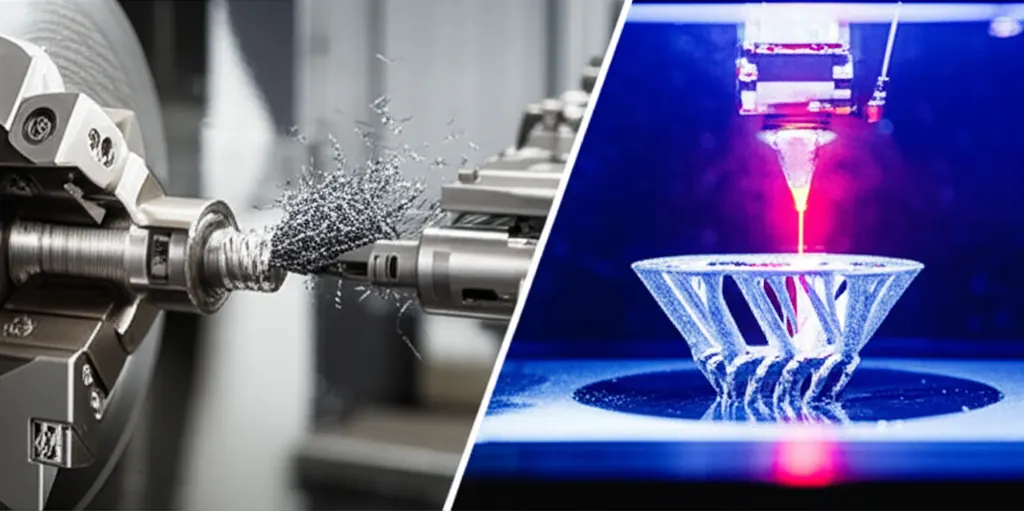
So, how exactly *do* we print metal? There are a few different technologies involved, each with its own strengths and weaknesses. One popular method is Powder Bed Fusion (PBF), where a laser or electron beam melts metal powder layer by layer. Think of it like a tiny, super-precise welding robot. There's also Directed Energy Deposition (DED), where a laser melts metal wire or powder as it's being deposited onto a surface. This is often used for repairing existing parts or creating large-scale structures. And let's not forget Binder Jetting, which uses a binding agent to glue metal powder together. The 'green' part is then sintered (baked) in a furnace to fuse the metal particles. Each technique caters to different needs, from high-precision small parts to large-volume production. Choosing the right one depends on the material, the complexity of the design, and the desired properties of the final product. It's like choosing the right tool for the job – a hammer isn't going to help you screw in a lightbulb, right?
Looking Ahead: The Future of Metal Manufacturing
The impact of 3D printing on the metal industry is just beginning. We're seeing it used in everything from aerospace and automotive to medical implants and tooling. Imagine customized knee replacements designed perfectly for each patient, or lightweight aircraft parts that improve fuel efficiency. The possibilities are endless! As the technology continues to improve and become more affordable, we can expect to see even wider adoption. We're talking about decentralized manufacturing, where companies can produce parts on demand, closer to their customers. We’re also getting closer to printing more complex parts that are not only lighter but also perform better than traditional materials. Think of it as pushing the boundaries of what's possible. It's an exciting time to be involved in metal manufacturing, and 3D printing is definitely a key driver of innovation. So, keep an eye on this space – it's going to be revolutionary!