

The Myth of the Robot Uprising: Why Efficiency Doesn't Equal Elimination
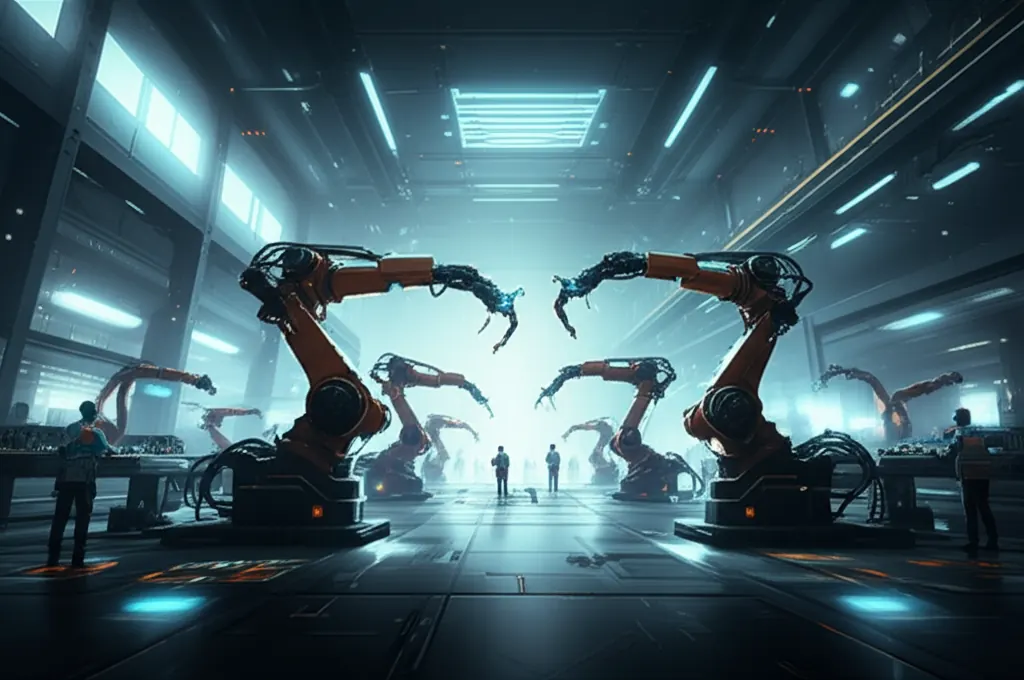
Everyone's terrified. Headlines scream about robots stealing jobs. Futurologists predict a jobless dystopia fueled by hyper-efficient AI manufacturing. Hogwash! The narrative that automation inevitably leads to mass unemployment is, frankly, intellectually lazy. Yes, automation *will* displace some roles. But that's been happening since the freaking Industrial Revolution. The real question isn't *if* jobs will change, but *what* new jobs will emerge. We're obsessing over the loss of repetitive, soul-crushing tasks and completely ignoring the potential for humans to move up the value chain. Think about it: someone needs to design, build, maintain, and optimize these automated systems. Someone needs to manage the incredibly complex supply chains they rely on. And, crucially, someone needs to figure out what consumers actually *want* to buy in this new, hyper-efficient world. The focus should be on retraining and upskilling, not clinging to outdated notions of factory work as the only path to prosperity. Stop fearing the robot uprising and start preparing for the *human* renaissance it could usher in.
The Real Threat: Complacency, Not Competition
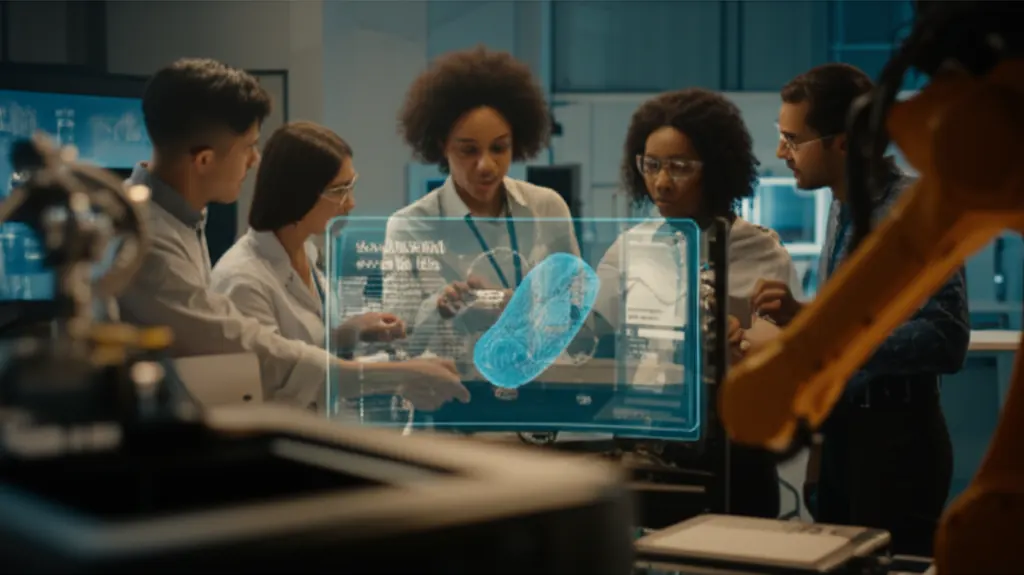
The biggest danger facing manufacturing isn't a lack of jobs, it's a lack of innovation *in how we educate* the next generation of workers. We're still churning out graduates who are ill-equipped for the demands of a rapidly evolving industry. Universities are too slow to adapt, clinging to outdated curricula and ignoring the skills gap that's widening daily. The problem isn't just technical skills, either. We need to foster creativity, critical thinking, and problem-solving – skills that robots can't (yet) replicate. Furthermore, the manufacturing industry itself needs to shed its image as a dirty, dead-end career path. We need to attract top talent by showcasing the exciting possibilities of advanced manufacturing, from designing cutting-edge materials to developing sustainable production processes. Stop blaming the robots; start blaming ourselves for failing to prepare for the future. Complacency, not competition, is the true enemy of manufacturing's survival. We need a radical overhaul of our education system and a concerted effort to rebrand the industry as a hub of innovation and opportunity.
Beyond Mass Production: The Rise of Hyper-Customization and Localized Manufacturing
Forget mass production. The future belongs to hyper-customization and localized manufacturing. Consumers are no longer satisfied with generic, one-size-fits-all products. They demand personalized solutions that cater to their individual needs and preferences. This shift is driving a move away from centralized, large-scale factories towards smaller, more agile manufacturing units that can quickly adapt to changing demands. 3D printing, advanced robotics, and AI-powered design tools are making this possible. Imagine a world where you can design your own shoes, your own furniture, even your own electronics, and have them produced locally on demand. This not only empowers consumers but also reduces transportation costs and environmental impact. Furthermore, localized manufacturing can revitalize local economies, creating jobs and fostering innovation within communities. This vision requires a fundamental rethinking of manufacturing infrastructure and supply chain management, but the potential rewards are immense. Embrace the chaos of hyper-customization, and you'll find that manufacturing is far from dead – it's just getting started.